उत्पाद का वर्णन:
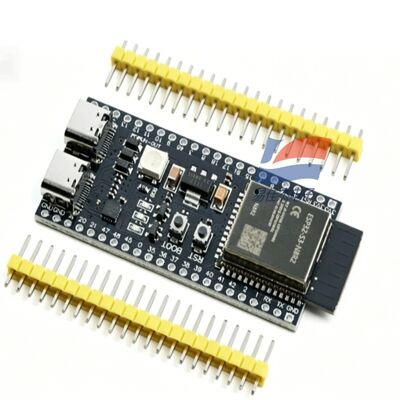
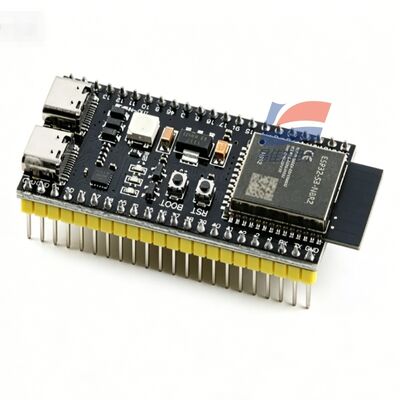
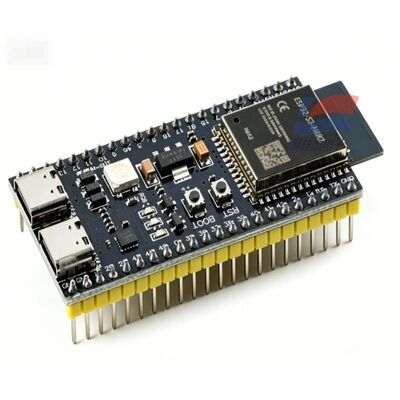
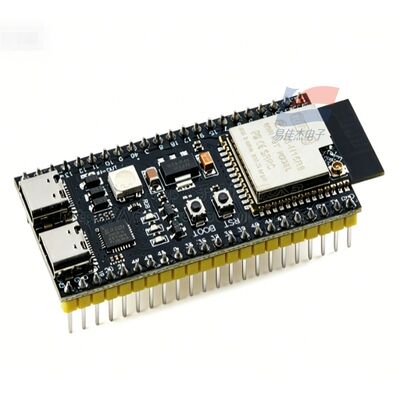
YJJ ESP32-S3-DevKitC-N16R8 डेवलपमेंट बोर्ड - डुअल-कोर 32-बिट MCU AI स्मार्ट डिवाइस वायरलेस WIFI ब्लूटूथ क्षमताएं
विशेषताएं:
I. बुनियादी जानकारी
मॉडल व्याख्या
ESP32-S3: एआई वेक्टर त्वरण के साथ दो-कोर मुख्य नियंत्रण चिप की एक नई पीढ़ी
DevKitC-1: मानक सामान्य प्रयोजन विकास बोर्ड, सभी पिनों के साथ, डाउनलोड के लिए यूएसबी-सी बिजली की आपूर्ति
N16: 16MB क्वाड एसपीआई फ्लैश (प्रोग्राम / वेब / एआई मॉडल स्टोरेज)
आर8: 8 एमबी ऑक्टाल पीएसआरएएम (सुपर लार्ज कैश, कैमरों/वॉयस/एआई निष्कर्षण के लिए आवश्यक)
मॉड्यूलः ESP32-S3-WROOM-1-N16R8, बोर्ड पीसीबी एंटेना के साथ
II. कोर हार्डवेयर पैरामीटर
1मुख्य नियंत्रण प्रसंस्करण (एआई कोर के फायदे)
सीपीयूः डुअल-कोर 32-बिट Xtensa LX7, अधिकतम घड़ी की गति 240MHz
अनन्य हार्डवेयरः अंतर्निहित एआई वेक्टर निर्देश सेट (ईएसपी-एनएन), विशेष रूप से तंत्रिका नेटवर्क, आवाज और छवि एल्गोरिदम को तेज करता है
अंतर्निहित मेमोरीः 512KB SRAM + 384KB ROM + 8KB RTC कम गति मेमोरी
बाहरी भंडारणः 16 एमबी फ्लैश + 8 एमबी हाई स्पीड ऑक्टाल पीएसआरएएम (एक ही श्रृंखला की टॉप-एंड मेमोरी)
कम बिजली की खपतः गहरी नींद केवल 5μA, लंबे समय तक बैटरी डिवाइस स्टैंडबाय का समर्थन करता है
2. वायरलेस संचार (वाईफाई + बीएलई दोहरी मोड)
2.4G वाईफाई
मानक: 802.11 बी/जी/एन 1टी1आर, बैंडविड्थ 20/40 मेगाहर्ट्ज, शिखर 150 एमबीपीएस
मोडः एसटीए/एपी/मिश्रित, एमक्यूटीटी, एचटीटीपी, ओटीए रिमोट अपग्रेड, वेब सेवा
ब्लूटूथ 5.0 BLE
दरः 125K/500K/1M/2Mbps, BLE Mesh, ब्लूटूथ प्रसारण युग्मन, ब्लूटूथ ऑडियो का समर्थन करता है
रेडियो सह-अस्तित्वः वाई-फाई/ब्लूटूथ हार्डवेयर शेड्यूलिंग, हस्तक्षेप के बिना काम करता है
3परिधीय संसाधन (सभी पिनों को उजागर किया गया, एआई परिधीय उपकरणों के साथ संगत)
GPIO: 36 सामान्य प्रयोजन I/O, 33 उपलब्ध, सभी समर्थन पुनर्वितरण
संचार इंटरफेसः 3 यूएआरटी, 2 आई2सी, एसपीआई, आई2एस ऑडियो, टीडब्ल्यूएआई (सीएएन2.0), यूएसबी ओटीजी
एनालॉग परिधीय: 20 12-बिट SAR ADC, ऑन-चिप तापमान सेंसर
मल्टीमीडिया: हार्डवेयर पीडब्ल्यूएम, एलसीडी स्क्रीन ड्राइवर, कैमरा डीवीपी इंटरफेस, इन्फ्रारेड ट्रांससीवर
ऑनबोर्ड स्टैंडर्डः यूएसबी-सी (पावर सप्लाई + डाउनलोड + सीरियल पोर्ट), प्रोग्राम करने योग्य WS2812 आरजीबी लाइट्स, रीसेट/बूट बटन
4विद्युत और पर्यावरण
बिजली की आपूर्तिः यूएसबी 5 वी इनपुट, चिप कोर 3.3 वी
ऑपरेटिंग तापमानः -40°C ~ +85°C, औद्योगिक उपकरण मानकों को पूरा करता है
विकास समर्थनः ईएसपी-आईडीएफ, अर्डिनो, माइक्रोपायथन पूरी तरह से खुला स्रोत, एआई स्मार्ट डिवाइस फर्मवेयर के साथ पूरी तरह से संगत
III. N16R8 का सुपर लार्ज मेमोरी कोर वैल्यू (सामान्य N4/N8 लो-एंड वर्शन से अलग)
16 एमबी फ्लैशः ऑफ़लाइन वॉयस मॉडल, वेब स्टेटिक संसाधन, कई फर्मवेयर, बड़ी फ़ाइल सिस्टम, पूर्ण ओटीए अपग्रेड का समर्थन कर सकता है
8 एमबी पीएसआरएएमः सुपर बड़े छवि / ऑडियो कैश, कैमरा छवियों का सुचारू संचालन, कई माइक्रोफोन आवाजें, टेन्सरफ्लो लाइट एआई निष्कर्ष
पीएसआरएएम संस्करण के बिना साधारण 4 एमबी फ्लैश ऑफ़लाइन आवाज, चेहरे की पहचान, उच्च परिभाषा कैमरा परियोजनाओं को नहीं चला सकता है, एआई स्मार्ट डिवाइस को एन 16 आर 8 के साथ कॉन्फ़िगर किया जाना चाहिए
चतुर्थ. एआई कोर क्षमता (स्मार्ट डिवाइस का कोर फंक्शन)
1. ऑफ़लाइन वॉयस इंटरैक्शन (ईएसपी-एसआर वॉयस फ्रेमवर्क) स्थानीय ऑफ़लाइन जागृति शब्द पहचान (कोई इंटरनेट कनेक्शन आवश्यक नहीं)
गूंज रद्द करना एईसी, शोर को कम करना, कीवर्ड वॉयस कमांड की पहचान
स्पीकर I2S ऑडियो आउटपुट के साथ चीनी / अंग्रेजी ऑफ़लाइन आवाज घोषणा
2स्थानीय मशीन विजन (टीएफलाइट माइक्रो)
OV2640/OV5640 कैमरों से कनेक्ट करें, स्थानीय रूप से हल्के मॉडल चलाएं:
मानव शरीर का पता लगाना, चेहरे की पहचान, वस्तु वर्गीकरण, क्रिया पहचान
उच्च परिभाषा छवियों के लिए 8 एमबी पीएसआरएएम कैश, कम विलंबता वाला स्थानीय निष्कर्ष, क्लाउड पर अपलोड करने की आवश्यकता नहीं
3. एआई मल्टी-टास्किंग समवर्ती
श्रम का दोहरी-कोर विभाजनः वायरलेस नेटवर्किंग के लिए एक कोर, स्थानीय एआई कंप्यूटिंग के लिए एक कोर, एक साथ आवाज बातचीत + कैमरा मान्यता + आईओटी डिवाइस नियंत्रण प्राप्त करना
5मुख्यधारा के अनुप्रयोग (एआई स्मार्ट उपकरणों सहित)
1. एआई स्मार्ट डिवाइस / ऑफ़लाइन वॉयस असिस्टेंट (मुख्य फोकस)
ऑफलाइन आवाज जागृति, प्रकाश / सोकेट / घरेलू उपकरणों का आवाज नियंत्रण, तापमान / आर्द्रता / गैस डेटा की आवाज प्रश्न और उत्तर रिपोर्टिंग
डेस्कटॉप एआई वॉयस रोबोट, बच्चों की प्रारंभिक शिक्षा वॉयस मशीन, ऑफ़लाइन स्मार्ट होम सेंट्रल कंट्रोल
2दृश्य एआई कैमरा उपकरण
बुद्धिमान अभिगम नियंत्रण चेहरे की पहचान, मानव शरीर संवेदन अलार्म, गोदाम माल की पहचान, पालतू जानवरों की निगरानी
औद्योगिक उपकरण दृश्य निरीक्षण, गैस का पता लगाने की छवि वायरलेस अपलोड (搭配 SO-E2-960, MSA 1012121X गैस सेंसर)
3स्मार्ट होम आईओटी टर्मिनल
स्मार्ट स्विच, डिमिंग पैनल, तापमान/आर्द्रता/गैस संग्रह गेटवे, ब्लूटूथ मेश पूर्ण-घर लिंक
टचस्क्रीन सेंट्रल कंट्रोल, इन्फ्रारेड यूनिवर्सल रिमोट कंट्रोल (एयर कंडीशनर/टीवी के लिए वॉयस कंट्रोल)
4औद्योगिक डेटा संग्रह (विस्तृत तापमान सीमा - 40~85°C)
गैस सेंसर वायरलेस संग्रहण टर्मिनल, 485/कैन से वाईफाई गेटवे, डिवाइस रिमोट मॉनिटरिंग
मल्टी सेंसर डेटा फ्यूजन, स्थानीय एआई असामान्य अलार्म (अत्यधिक गैस के लिए आवाज अनुस्मारक)
5रचनाकार / शैक्षिक विकास
विश्वविद्यालय IoT प्रतियोगिता, एआई आवाज दृश्य शिक्षण प्रयोग, पायथन/माइक्रोपायथन विकास मंच
आवाज कार, छवि पहचान रोबोट, कम शक्ति वाली बैटरी निगरानी उपकरण
6मल्टीमीडिया ऑडियो उपकरण
ब्लूटूथ वाईफाई दो-मोड स्पीकर, ऑफ़लाइन वॉयस प्लेयर, रिकॉर्डिंग शोर में कमी टर्मिनल
विनिर्देशः
| सीपीयू |
32-बिट आरआईएससी-वी एकल-कोर, 160 मेगाहर्ट्ज की अधिकतम घड़ी गति के साथ |
| रोम |
384KB |
| SRAM |
400 केबी (16 केबी कैश) + 8 केबी आरटीसी एसआरएएम |
| फ्लैश |
4 एमबी (एन4 4 एम, एन8 8 एम का प्रतिनिधित्व करता है) |
| अंतर्निहित |
40 मेगाहर्ट्ज़ उच्च परिशुद्धता क्रिस्टल ऑसिलेटर |


 आपका संदेश 20-3,000 अक्षरों के बीच होना चाहिए!
 Hindi
Hindi